Appraisal vs. BPO for U.S. Deals: Lender Rules or Free Tools?

An appraisal is a formal, USPAP-aligned valuation by a state-licensed or state-certified appraiser, and it is what lenders need for most federally related mortgage transactions. A BPO is a broker’s or agent’s opinion of a likely selling price: faster and cheaper, but it does not meet appraisal standards for loan origination. Pick an appraisal for lender acceptance, and a BPO for a quick market check or listing guidance.
TL;DR:
- Choose an appraisal for litigation or an unusual property when the valuation must be defensible and auditable, rather than merely useful for pricing.
- Servicers, REO teams, short sale negotiators, and investors use BPOs for pricing guidance; reports may rely on exterior observations or include an interior inspection.
- Appraisals cost more and take longer, with fees and turnaround varying by market and property; request local quotes before ordering.
- Investors can screen leads with remote comps and after repair value calculations, ordering an appraisal only if a deal advances or a lender requires one.
- Ask the lender which valuation it accepts before paying, and verify the preparer’s credentials, inspection scope, comparable data sources, and sample report.
Table of Contents
- What are the main differences at a glance?
- What is an appraisal, and when do lenders require one?
- What is a BPO, and how is it produced?
- Which situations call for an appraisal, and which for a BPO?
- How do cost and timing compare?
- How do federal rules treat appraisals and BPOs?
- How do you choose between them?
- What do real scenarios look like?
- Where do fast tools fit alongside appraisals?
- Screen deals faster with our free valuation tools
- FAQ
- Sources
What are the main differences at a glance?
Here is how the two products compare on the points that matter most:
- Who prepares it: An appraisal comes from a state-licensed or state-certified appraiser. A BPO comes from a licensed broker or agent.
- Lender and regulatory weight: Appraisals satisfy federal rules for many mortgage transactions. BPOs are treated as directional guides only.
- Cost and speed: BPOs generally cost less and come back sooner, because they rely on local market knowledge and often skip a full inspection.
- Depth and accountability: Appraisals follow a documented professional standard and can be reviewed and challenged. BPOs vary in depth and carry less formal accountability.
What is an appraisal, and when do lenders require one?
An appraisal is a formal opinion of value prepared by a state-licensed or state-certified appraiser. The Uniform Standards of Professional Appraisal Practice, known as USPAP, set the ethical and performance rules these appraisers follow, and compliance is required for appraisals in federally related transactions.
A typical report describes the property, analyzes the local market, applies the sales comparison approach, adjusts comparable sales for differences, and reconciles everything into one opinion of value. If you want to see how that comp work looks in practice, our guide to the sales comparison approach walks through it with closed comps.
Lenders require appraisals for purchases and many refinances. They also come up in litigation and for unusual properties where a defensible, auditable opinion matters more than speed.

What is a BPO, and how is it produced?
A broker price opinion (BPO) is a licensed broker’s or agent’s estimate of the price a property would probably sell for. Many are exterior-only or done from a desk, and most include local comparable sales, a suggested list price, photos, and condition notes.
Depth varies. A drive-by BPO is quick and light, while a fuller report may include an interior walk-through. Some states and firms require disclaimers stating that a BPO is not an appraisal.
Servicers, REO teams, short-sale negotiators, and investors use BPOs because an experienced local agent can capture real-time market sentiment, which helps with distressed and short-sale situations. The tradeoff is that a BPO remains directional rather than a formal valuation.
Which situations call for an appraisal, and which for a BPO?
Match the product to what the number must do:
- Loan origination and most refinances: order an appraisal, because lenders must rely on one.
- Legal valuations and atypical properties: order an appraisal when you need a defensible, auditable opinion.
- Loan servicing and REO workflows: a BPO usually fits the task.
- Short-sale guidance and listing price checks: a BPO gives fast, local pricing input.
- Investor triage: start with a BPO or remote comps, then order an appraisal only if the deal advances and a lender requires it.
Industry commentary treats BPOs as directional price guides and warns that swapping one in for a required appraisal can cause delays or rejections in mortgage processing.
How do cost and timing compare?
Appraisals sit at the high end of both cost and time, while BPOs land in the middle. Valuation practitioners describe a continuum: automated models are fastest and cheapest, BPOs add human judgment at mid-cost and mid-speed, and appraisals deliver the highest reliability at the highest cost and longest turnaround.
- Appraisals: higher fee, longer wait, and timing that shifts with local demand.
- BPOs: lower fee, shorter wait, lighter documentation.
Consumer guidance describes BPOs as quick, inexpensive estimates from agents or brokers, suited to listing guidance rather than mortgage underwriting. Exact fees vary by market and property type, so get quotes from local providers. The tradeoff is simple: speed and savings with a BPO, accountability with an appraisal.
How do federal rules treat appraisals and BPOs?
Federal Title XI appraisal regulations require an appraisal by a state-certified or state-licensed appraiser for many federally related transactions, and they point to USPAP as the minimum standard. The agencies explain this in their appraisal regulation FAQ.
Supervisory Letter SR 10-16 clarifies that BPOs and similar methods do not comply with the agencies’ minimum appraisal standards. It also discusses how evaluations and valuation reviews should work.
For you, the practical point is that a servicer or lender cannot simply accept a BPO where an appraisal is required. If an appraisal looks flawed, later interagency guidance on reconsiderations of value explains that institutions can request a reconsideration or a second appraisal.

How do you choose between them?
Start with intended use, then weigh regulatory need, required accuracy, budget, and deadline. Before you order, ask the preparer:
- What are your license and credentials?
- Will you inspect the interior, the exterior, or neither?
- Which data sources supply your comps?
- Can I see a sample report?
- What liability or insurance coverage stands behind the opinion?
Require a USPAP-compliant appraisal whenever a lender, court, or regulator needs a defensible number. A BPO works as a preliminary step when you only need direction. A regional brokerage explains how market analysis feeds smarter listing and buying moves.
Pro Tip: Ask your lender which valuation product it will accept before you pay for anything, so you never buy the wrong one.
What do real scenarios look like?
Listing quickly: a BPO or comparative market analysis helps you set a competitive list price.
Investor triage: use remote comps plus ARV math to screen leads, and spend on formal valuation only for deals that survive. Our walkthrough on how to run comps shows the method.
Short sale or REO: servicers lean on BPOs, though lender policy may demand an appraisal for certain actions.
Purchase or refinance: expect an appraisal for most federally related transactions.
Where do fast tools fit alongside appraisals?
Valuation sits on a continuum of speed, cost, and accountability, and the skill is choosing the right tool for the job. Fast comps and calculators are excellent for screening, but they do not replace a USPAP appraisal when a lender requires one. Use quick analysis to decide what deserves a formal valuation, then pay for the formal one only where the stakes demand it.
— Michael
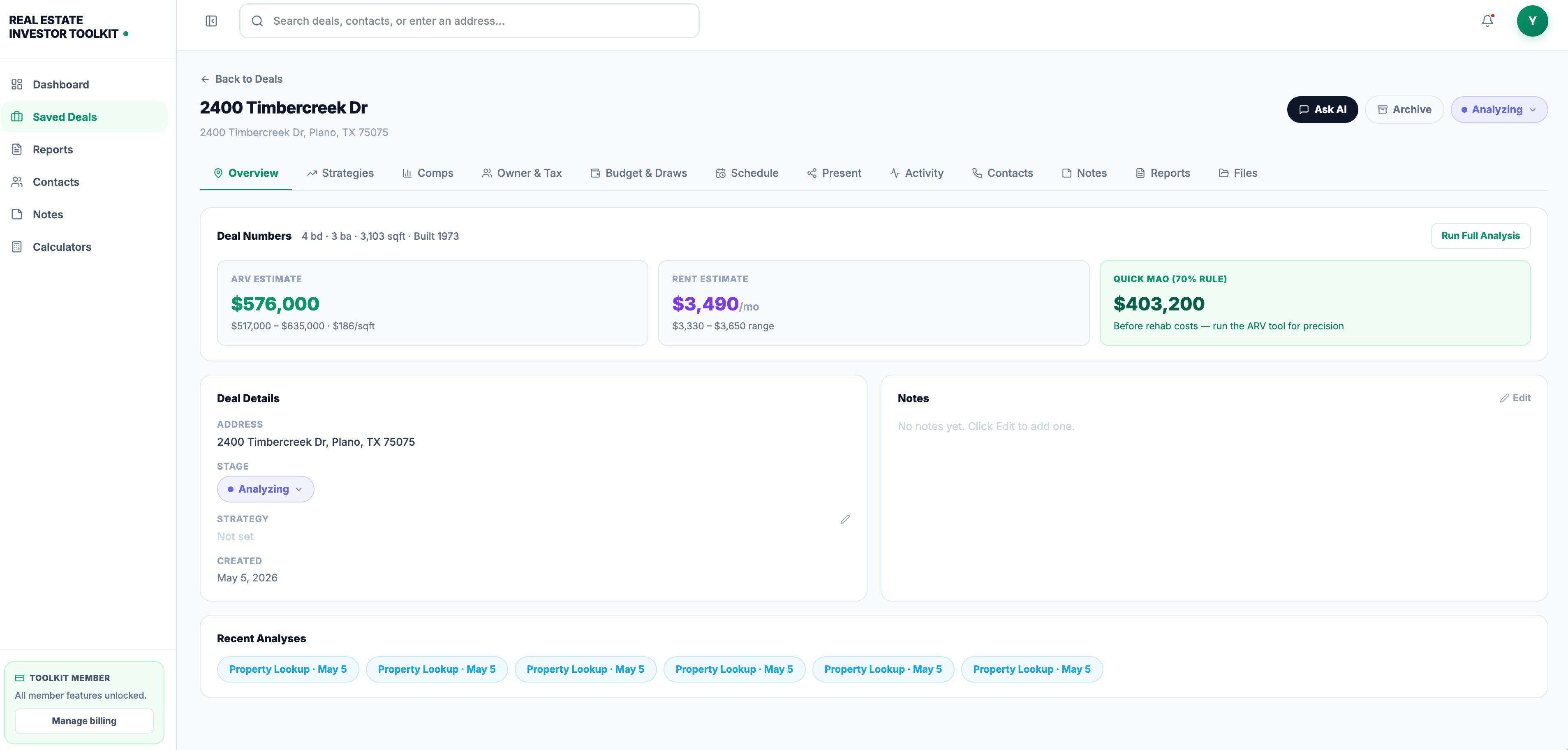
Screen deals faster with our free valuation tools
We built free calculators so you can triage deals before paying for any formal valuation:
- ARV calculator for after-repair value
- Comps analyzer for comparable sales
- Rehab cost calculator for repair budgets
They complement appraisals and BPOs: use them to prepare, then order the formal product if a lender requires it. Try our free tools, no sign-up needed.
FAQ
What does BPO stand for in real estate?
BPO stands for broker price opinion. It is an estimate of a property’s likely selling price prepared by a licensed broker or agent, and it is not an appraisal.
Are appraisals higher or lower than market value?
An appraisal is an opinion of market value, so it can land above or below what a buyer actually pays. Differences usually come from the comparable sales used and timing in a changing market. If a value looks off, lenders can request a reconsideration.
Do realtors charge for a market analysis?
Many agents provide a comparative market analysis free when you are considering listing. A paid BPO is a separate, ordered product, and fees vary by market and provider.
What does a broker’s opinion of value look like?
It usually lists local comparable sales, a suggested list price, photos, and condition notes. Depth ranges from an exterior-only drive-by report to a more detailed review, and many carry a disclaimer that it is not an appraisal.
Sources
- Frequently Asked Questions on the Appraisal Regulations and the Interagency Appraisal and Evaluation Guidelines
- USPAP® – The Appraisal Foundation
- Making Sense of Valuation’s Alphabet Soup: CMAs, BPOs, AVMs and Appraisals